
History of St. Luke’s
Our Story: From "Mud Lane" to Battersea Landmark. Before the red bricks of St. Luke’s rose above Nightingale Lane, this was a land of rural mansions and "Mud Lane" tracks. Our church was born out of a vision to serve a growing London, built with global materials and local devotion.
This page is put together from 'St Luke's Battersea - a Short History of the Church and Parish' by Gordon Huelin.
-
![]()
Rural Beginnings and an Iron Church
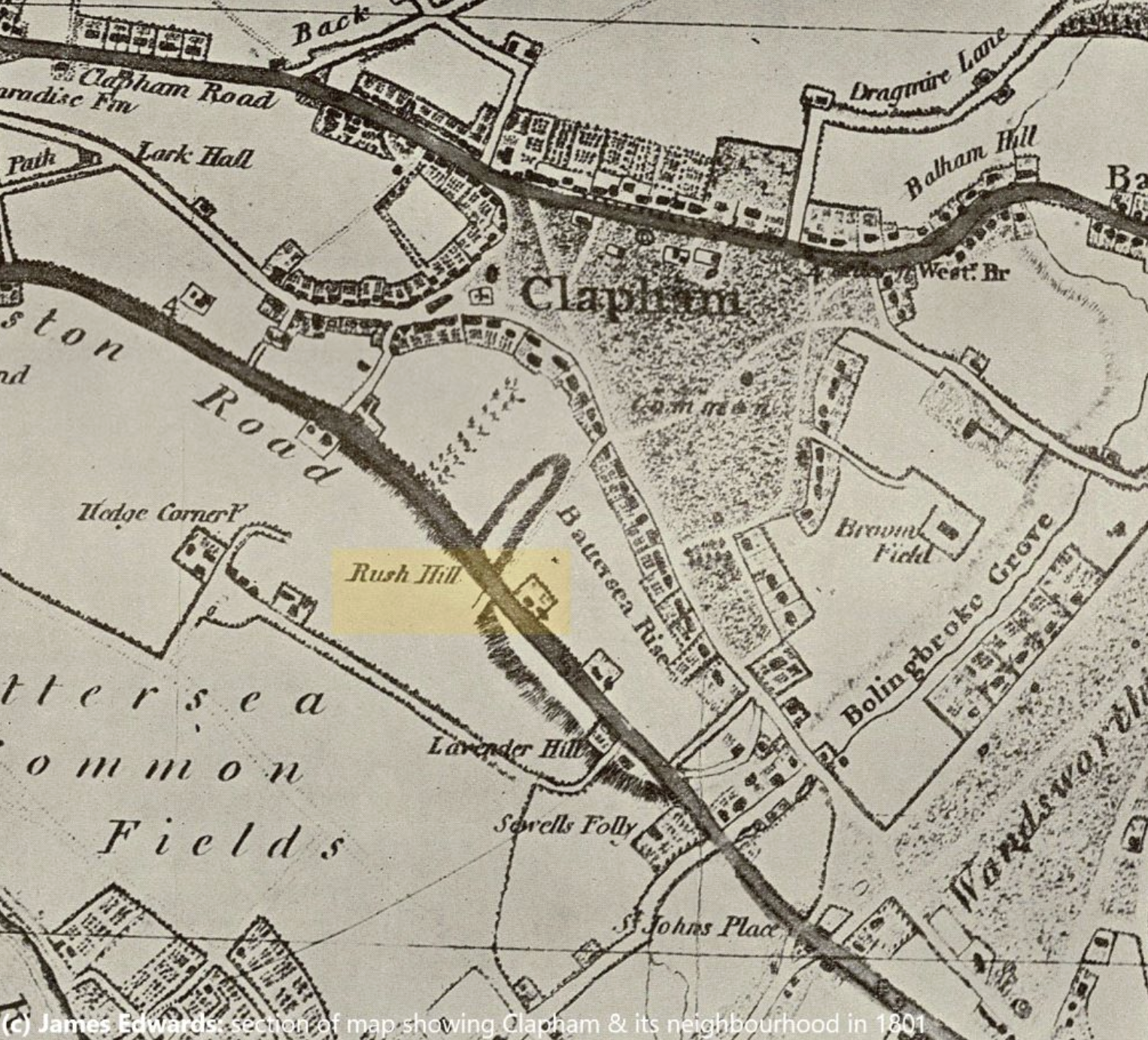
Long before the bustling streets of modern Battersea emerged, a traveller along Nightingale Lane would have seen a deeply rural landscape of open fields and grand mansions. Where St Luke’s stands today was once the parkland of Old Park House, while nearby stood Broomwood House, the home of the great abolitionist William Wilberforce.
-
![]()
An Iron Church
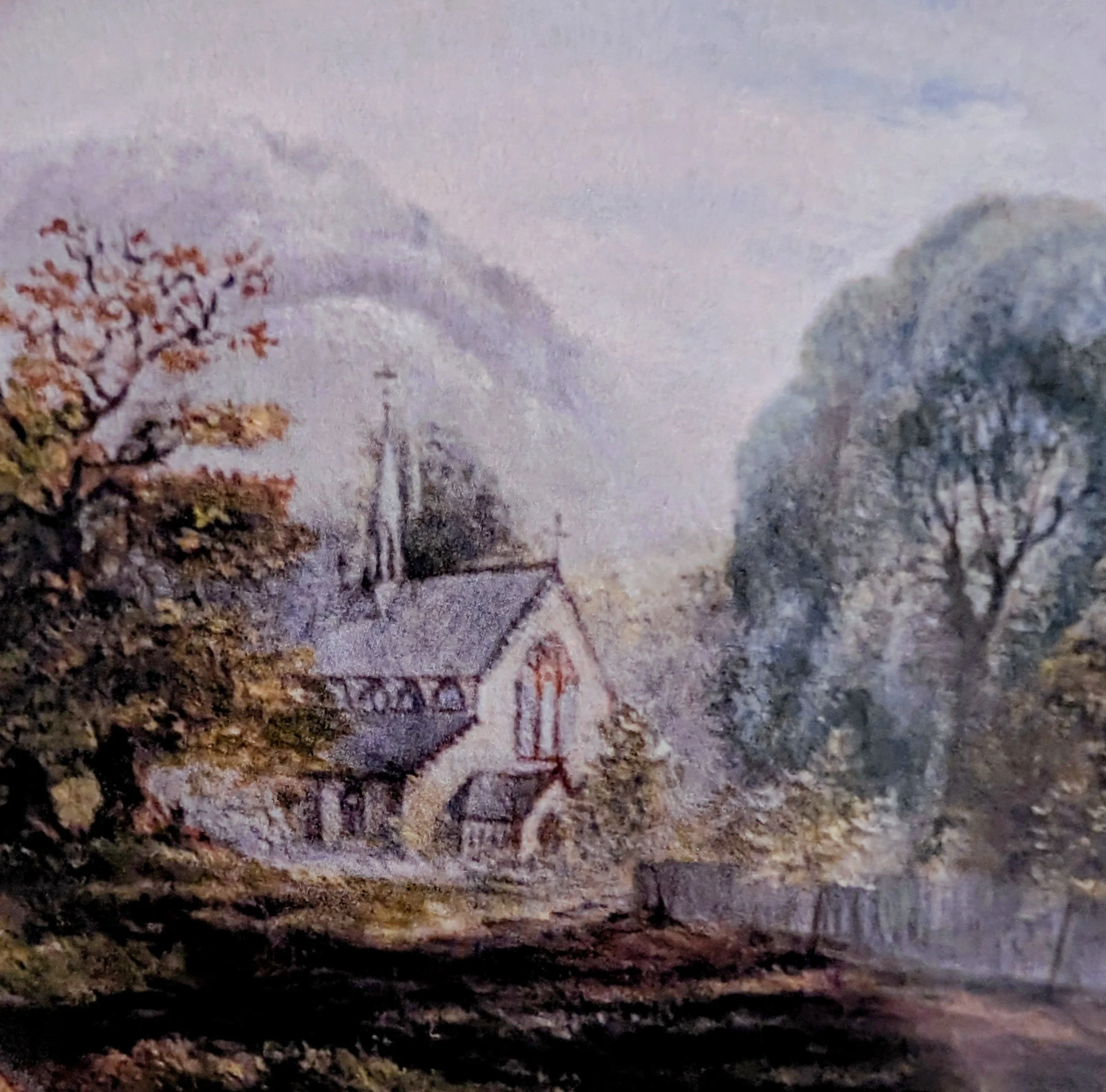
In 1874, anticipating the rapid expansion of London’s suburbs between the Commons, Canon John Erskine Clarke purchased a plot of this parkland. To serve the emerging neighborhood, a temporary "little iron church" was physically moved to the site from Battersea Rise. It was a modest beginning, but it served the community faithfully for nine years.
-
![]()
Answering the Call for a "Red-Brick Basilica"
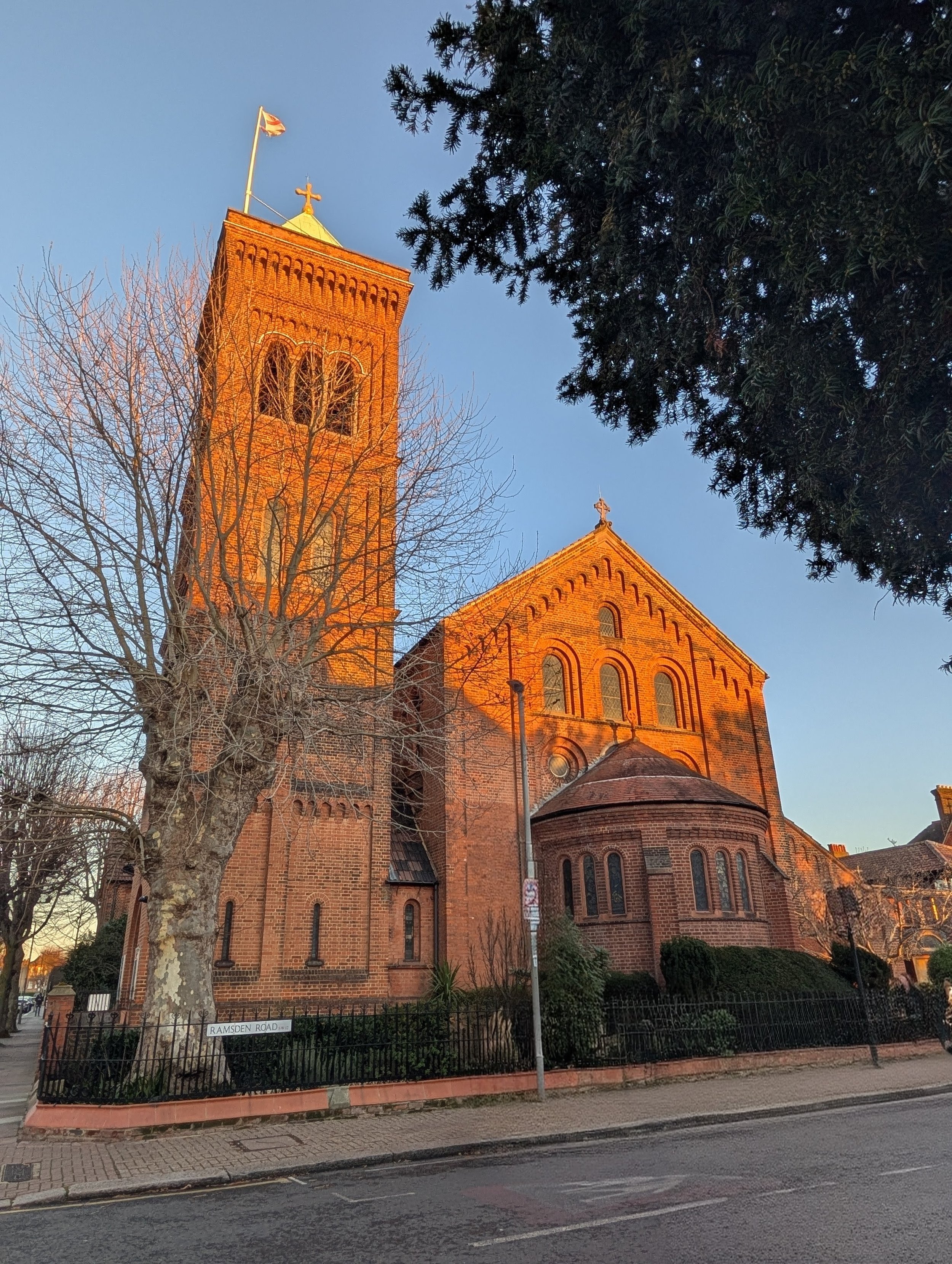
By the early 1880s, the local population was growing so rapidly that a permanent, spacious home was desperately needed. Answering a challenge from the Bishop of Rochester—“A fine red-brick Basilica is the one thing of all others I wish to see. Who will build us one?”—the church appointed architect F.W. Hunt to bring a grand vision to life.
-
![]()
A Magnificent Brick Nave
Construction was a labour of love completed in stages. The Chancel and South Transept were built first, opening for worship in 1884 while still cleverly connected to the original iron annex to accommodate 600 people. A few years later, the magnificent brick Nave was completed, allowing the temporary iron structure to be safely dismantled after 14 years of valiant service.
-
![]()
A Landmark Takes Shape
The final decade of the nineteenth century saw St Luke’s truly rise above the horizon. The tall north-west tower, with its distinctive copper roof, was completed in 1892 for the princely sum of £1,200, instantly creating a landmark visible for miles around. On All Saints' Day that same year, the finished church was officially consecrated.
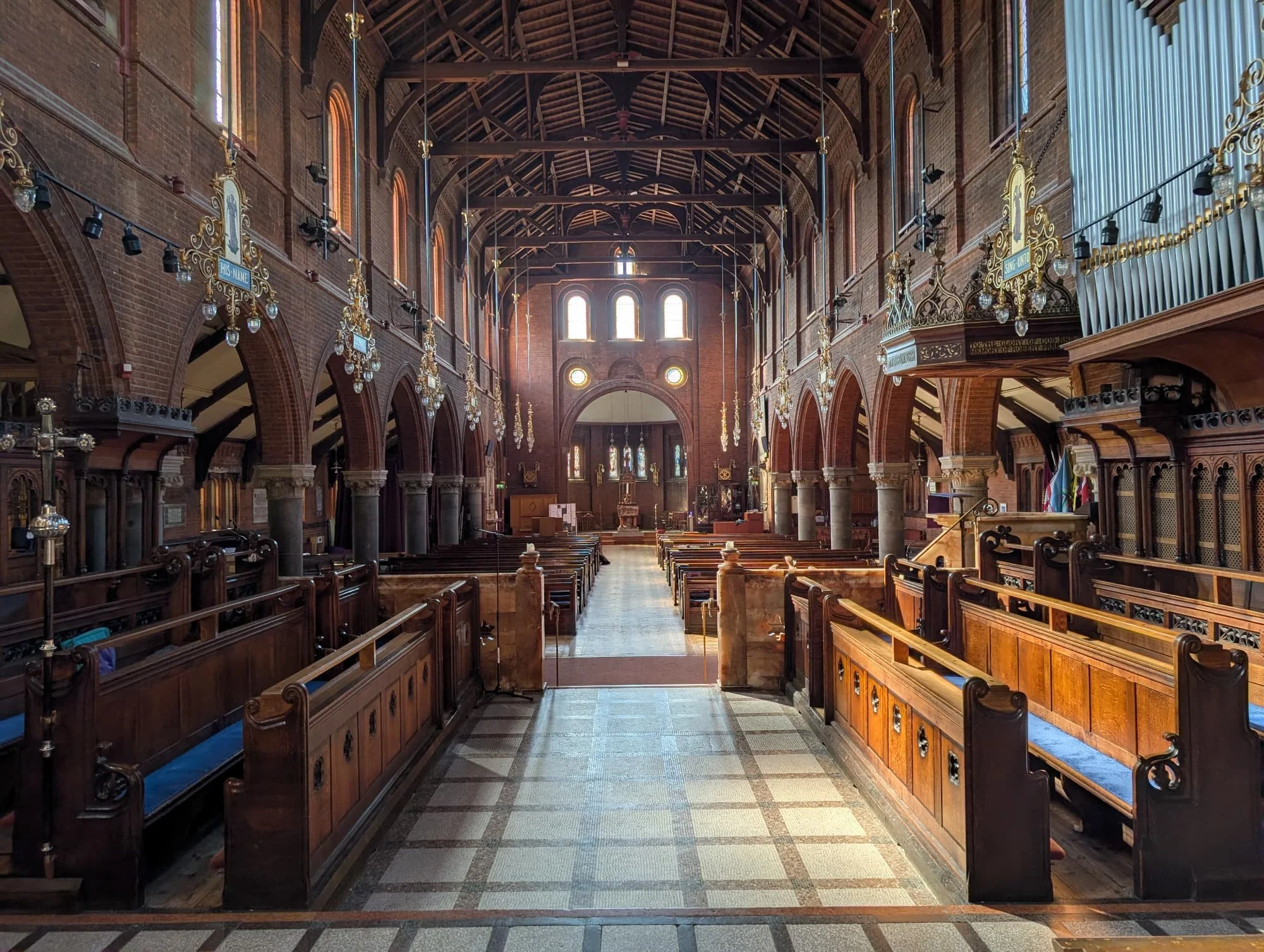
Explore the artwork of St. Luke’s
-
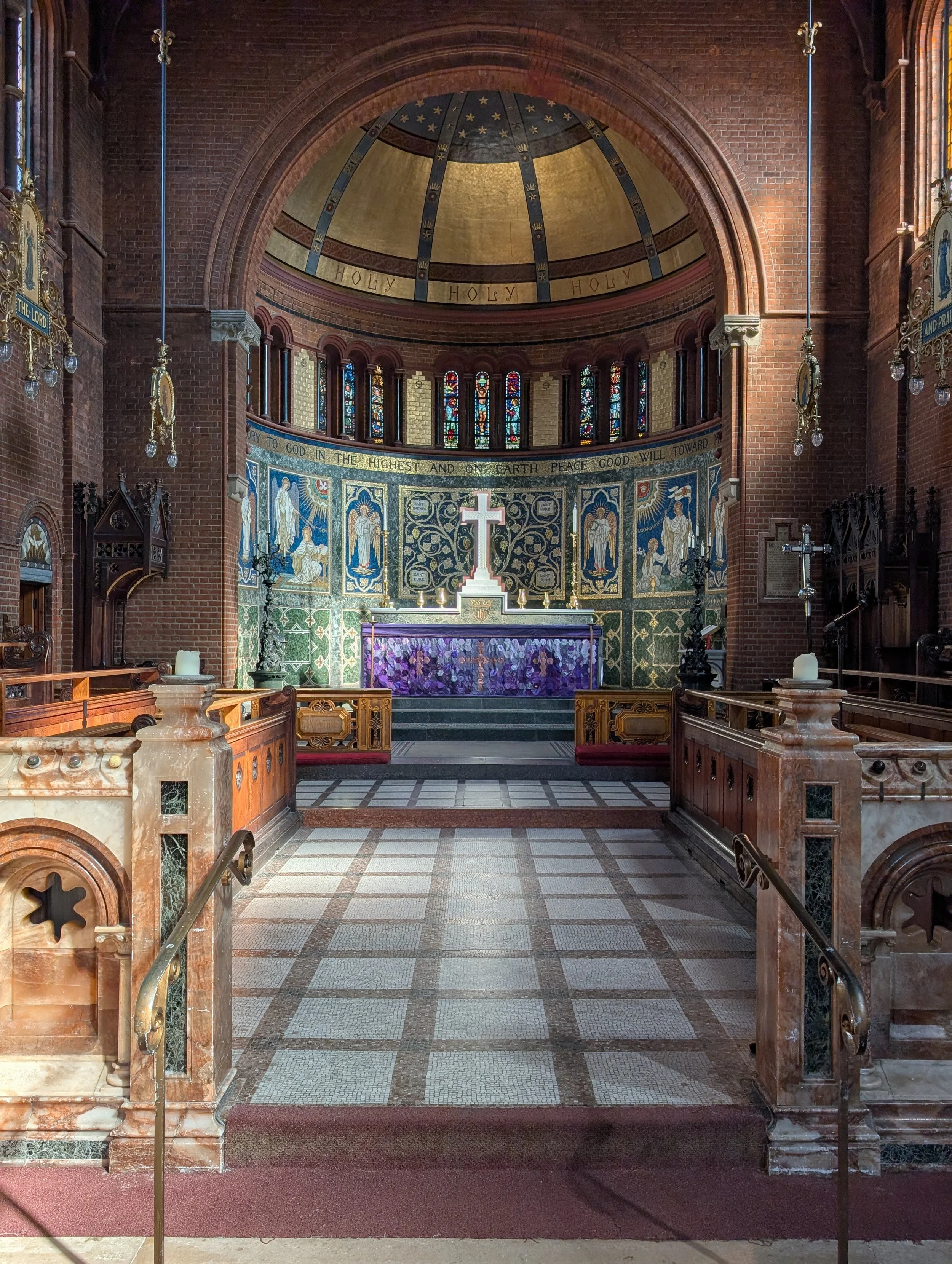
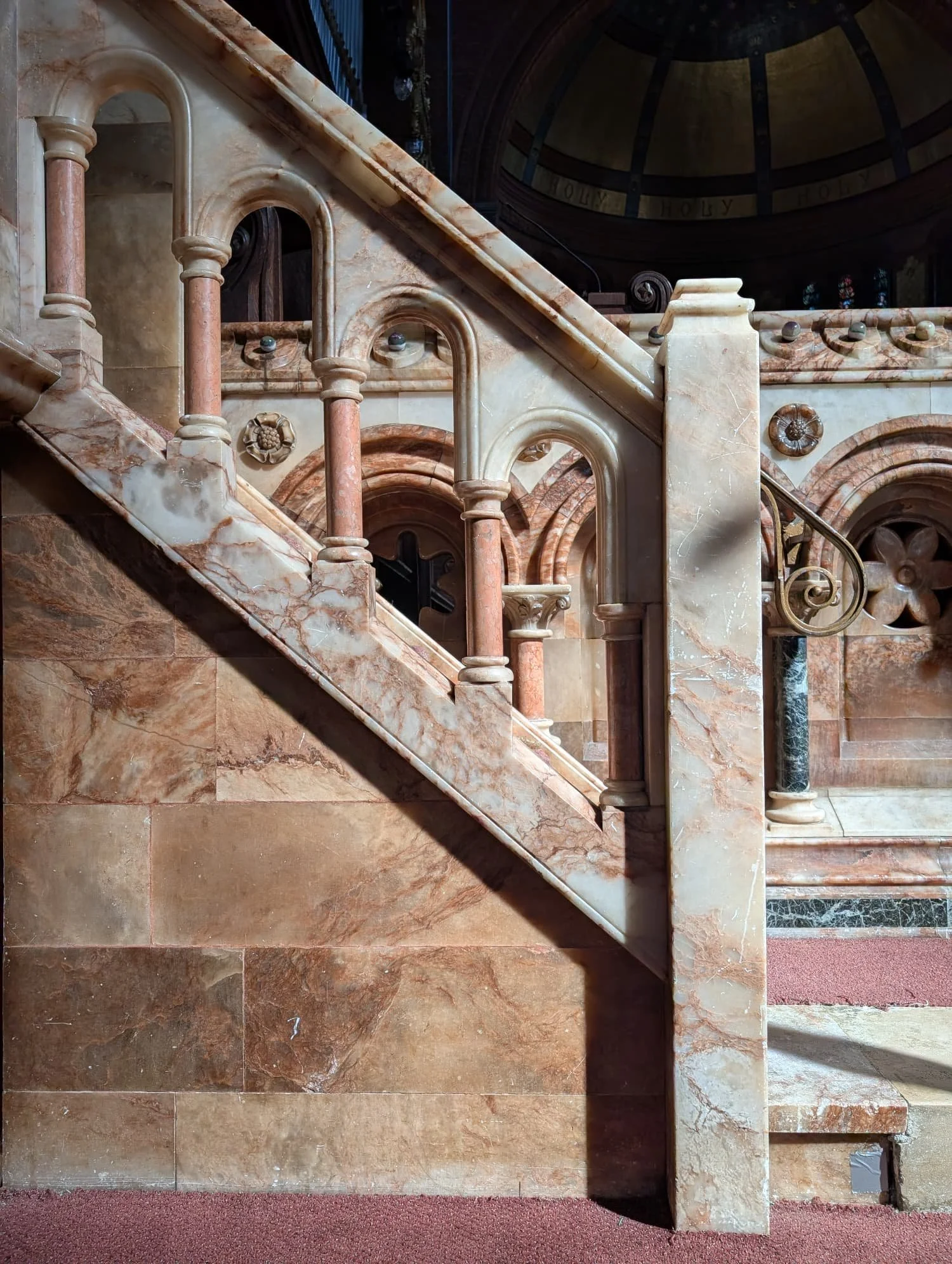
The handsome chancel screen (1894) is made of alabaster from Tutbury, Derbyshire. The pillars represent a “United Nations” of stone: red marble from Verona, pale yellow from Siena, soft red from Turkey, and green from the Greek Archipelago. Look closely at the top- those balls are made of Indian agate.
-
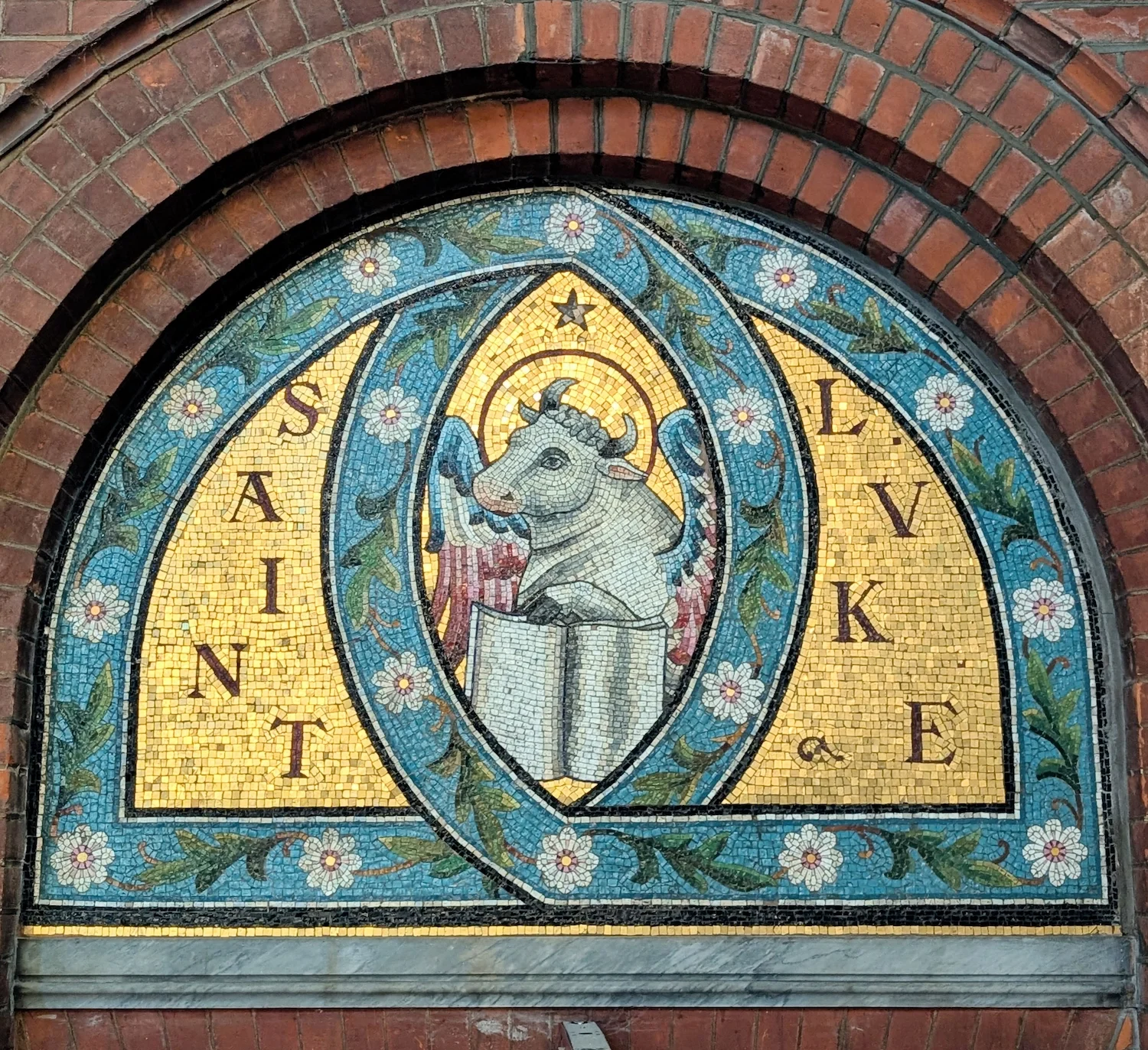
In 1891, the beautiful mosaic panel by Salviati of Venice was added. It represents the symbolical winged bull of St. Luke. This was part of a major era of growth that included the addition of the Parish Hall and the iconic north-west tower.
-
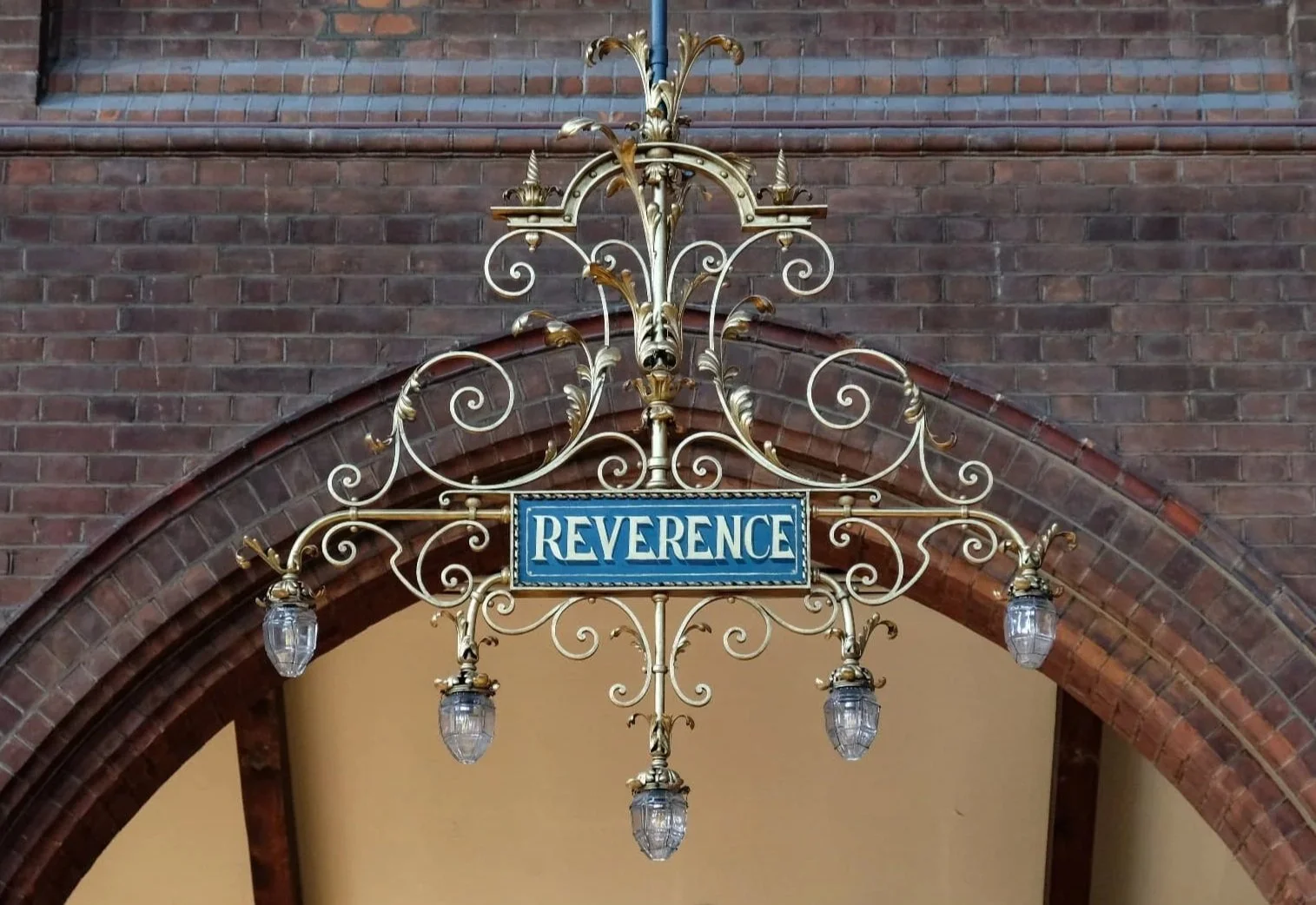
In 1903, the church received a “unique Christmas present” of electric light. The designs are world-class: the nave lights are based on a jewel in the Pitti Palace, Florence; the chancel lights are inspired by Fra Angelico paintings; and the lady chapel lamp is a reproduction from Milan Cathedral.
-
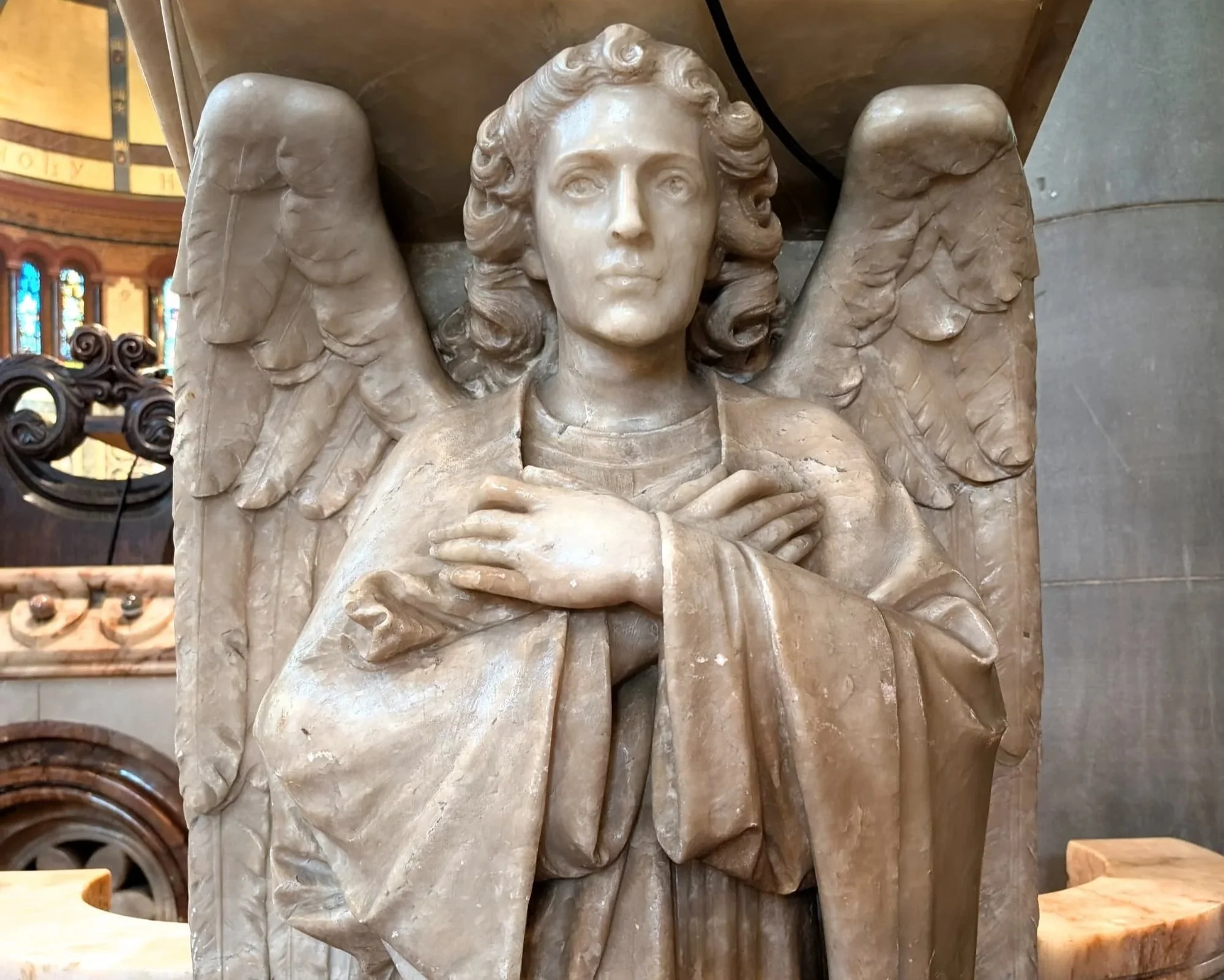
The white alabaster angel lectern was a gift in 1901. Other treasures include the white marble Cross (a copy of an ancient Roman design) and the bronze candelabra cast from an original by Giovanni da Bologna.
-
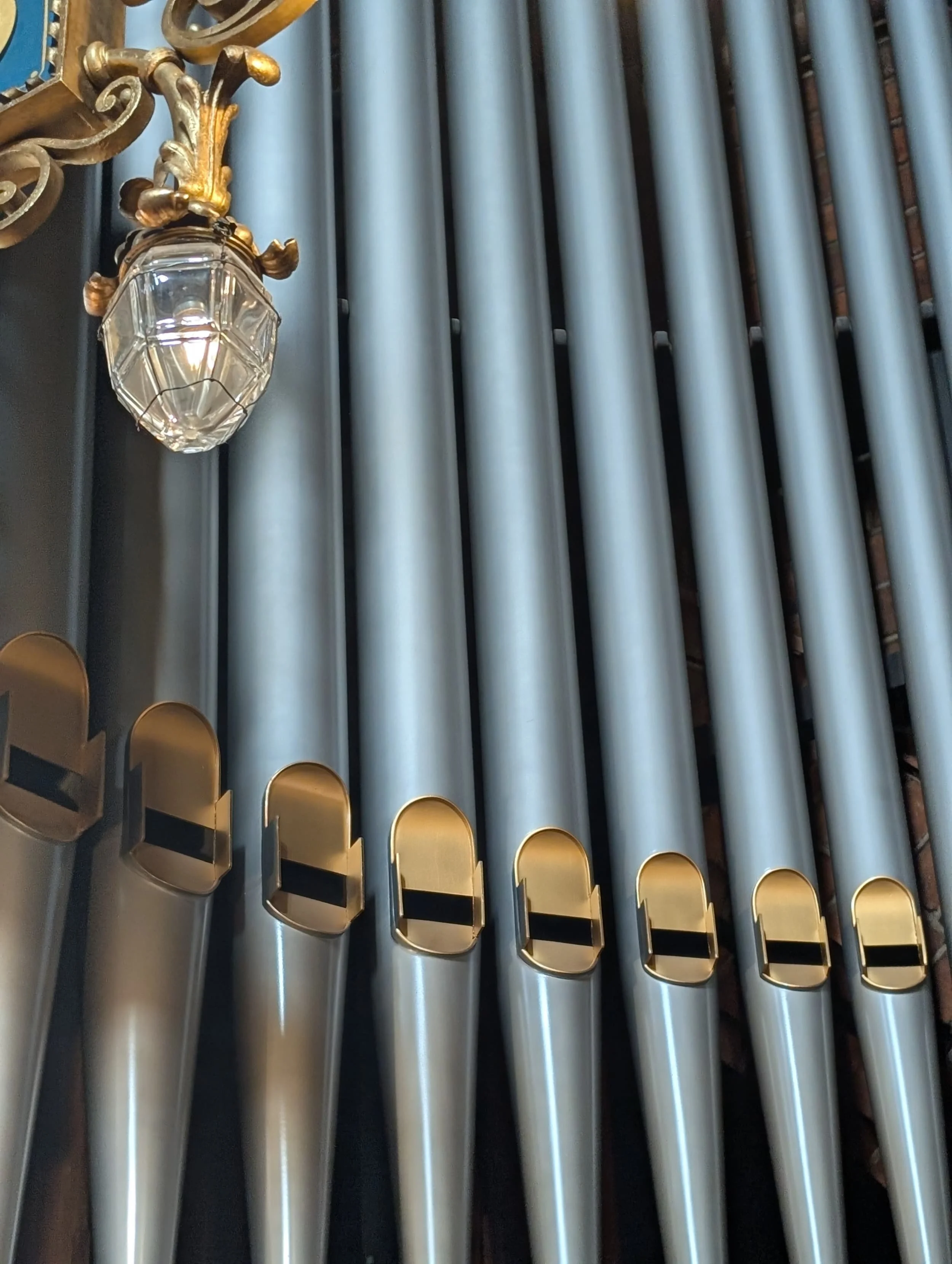
Built and installed in 1905, our organ comes from one of the absolute golden eras of British craftsmanship. Its creator, Thomas Christopher Lewis, was legendary for rejecting the popular Victorian trend of making organs sound like loud brass bands. Instead, he took inspiration from the great romantic churches of Germany and France, building instruments famed for their exceptionally warm, bright, and "bell-like" clarity of sound.
Having a genuine Lewis & Co. organ is incredibly special. For those who aren't familiar with organ history, it is the musical equivalent of having a Stradivarius violin or a Steinway grand piano sitting in our church.
-
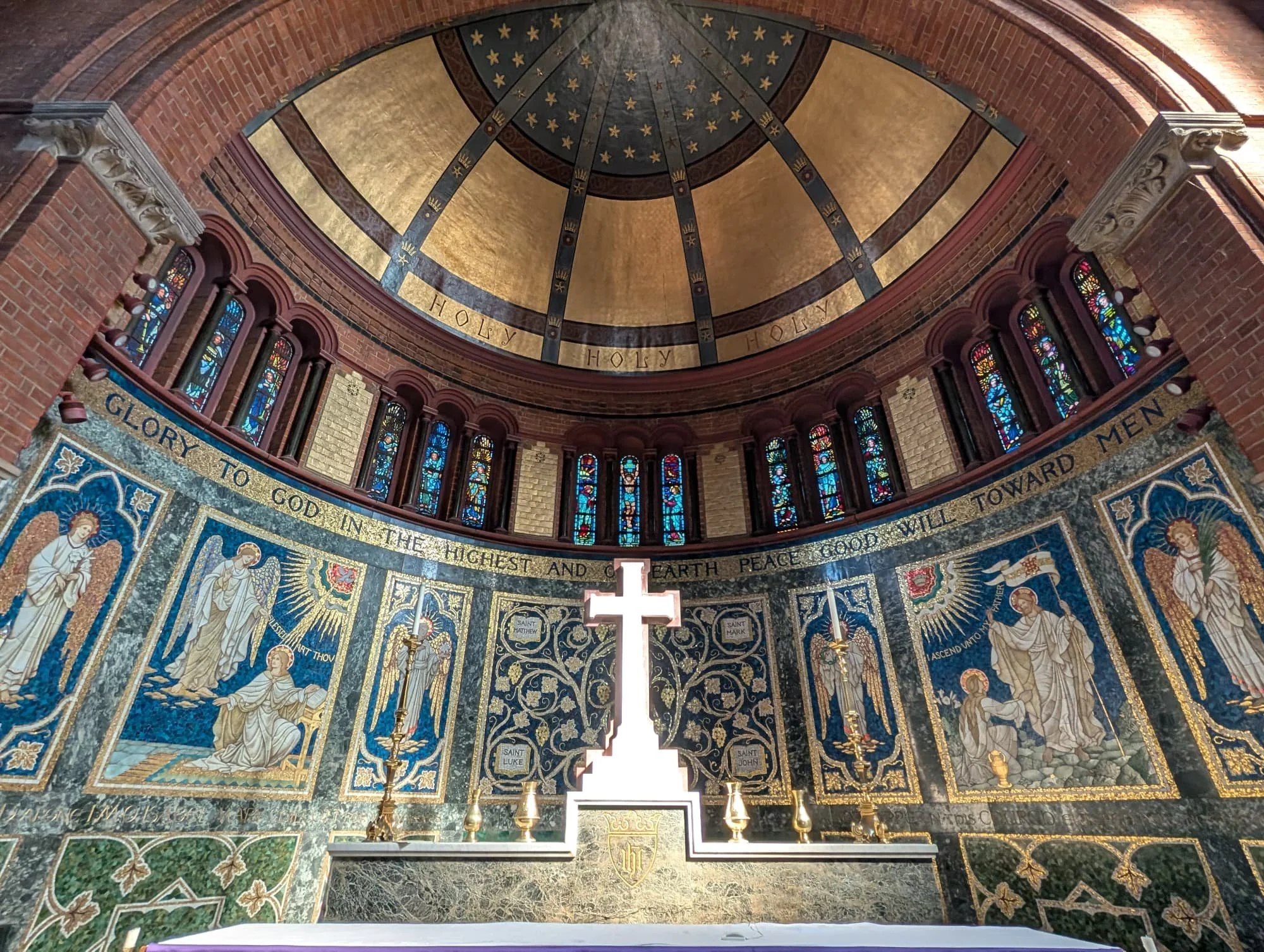
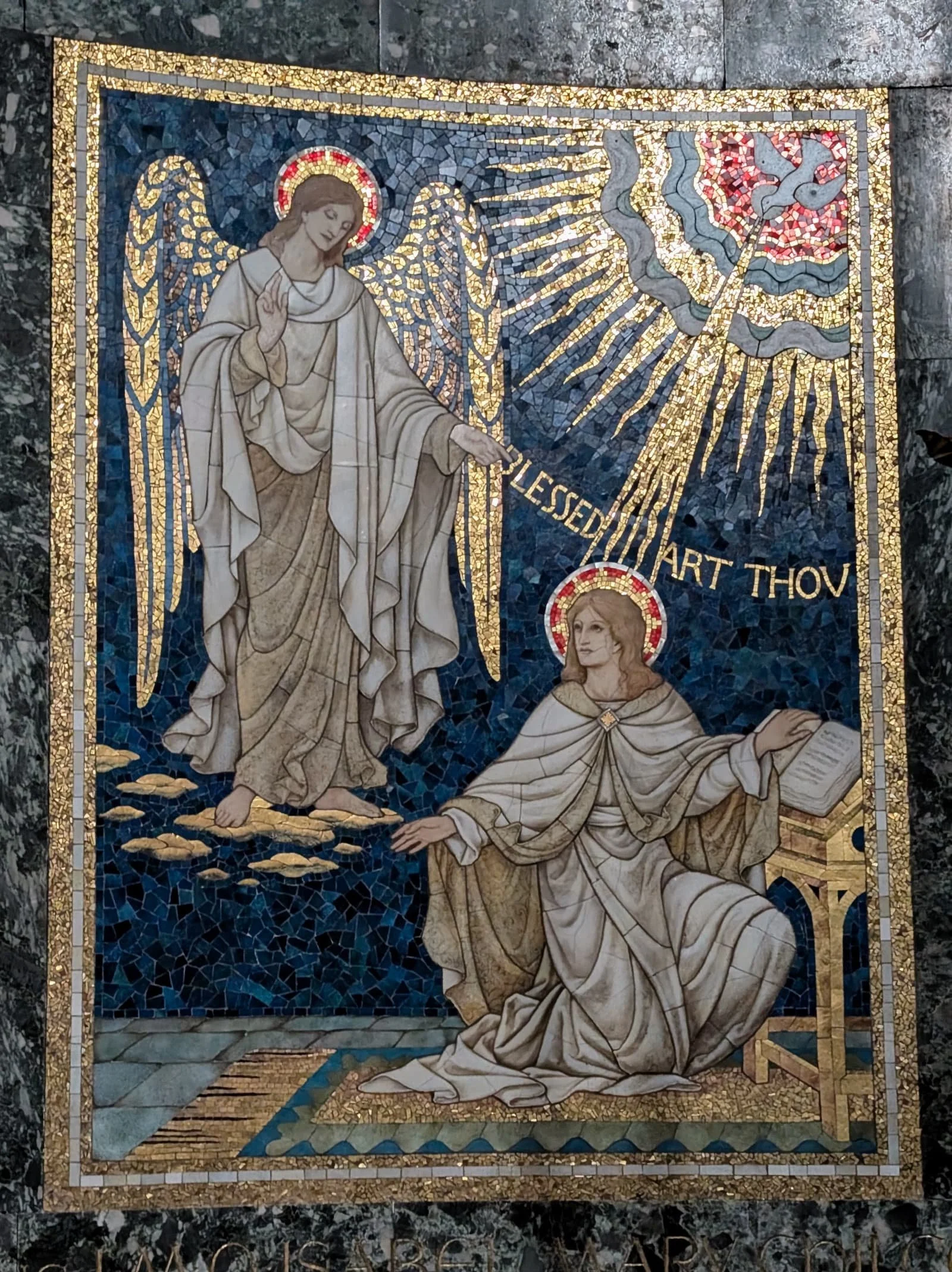
In 1906 the mosaics round the apse were given by Mr. Clifford Brookes in memory of his daughter.
The Wall Memorial: A Parish Story
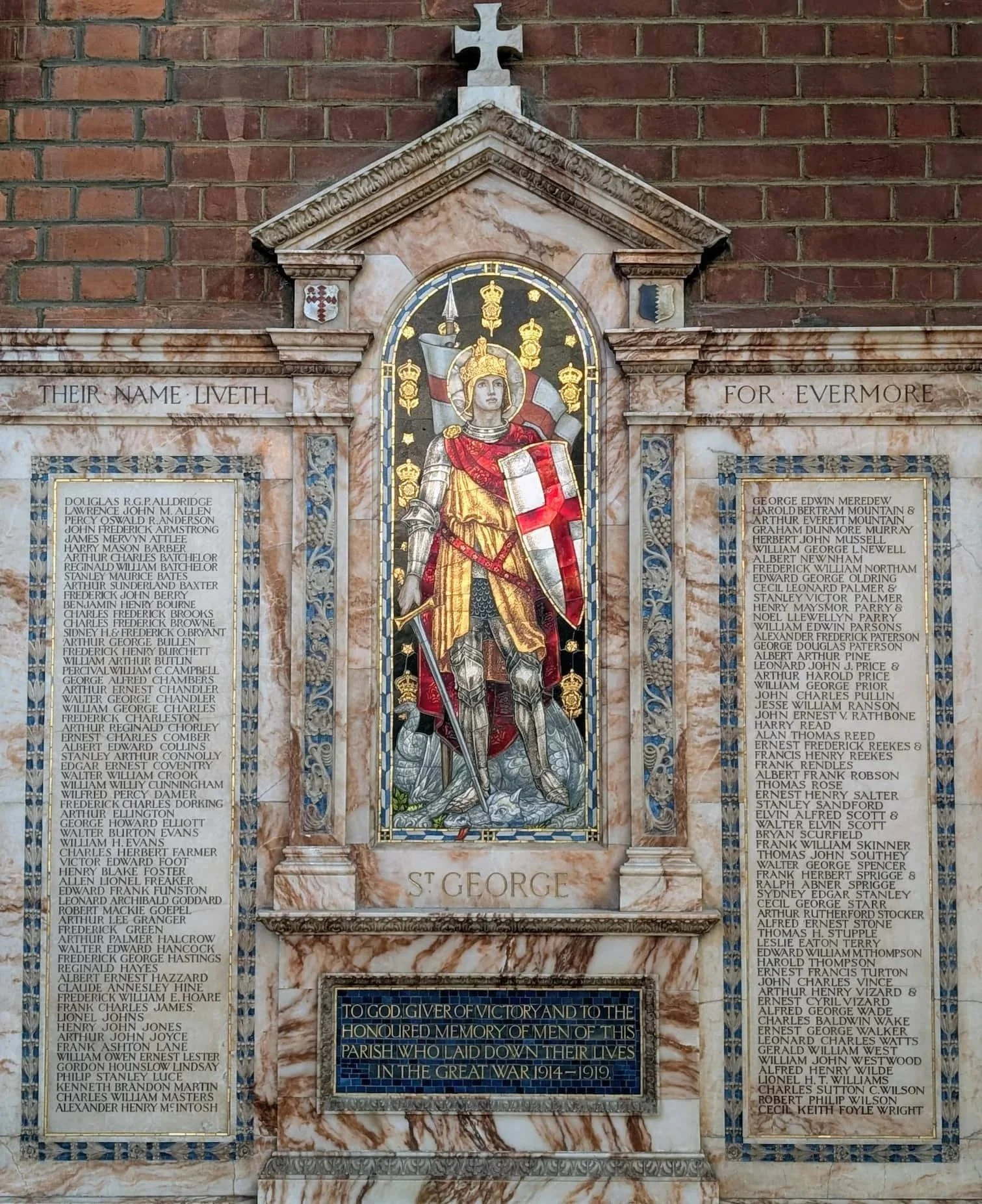
Our memorial honours 134 men from WWI and 14 from WWII. At the time, virtually every street in our parish lost a neighbour, a son, or a father. Many had been baptised at St Luke’s or were known personally by the clergy of the day.
While their names are etched here in South London, their graves are scattered across the globe—from the Somme and Passchendaele to Jerusalem and East Africa.
In 2018, three members of the parish completed extensive research into every individual named on our memorial, uncovering poignant stories of local families—some of whom lost three sons. Today, we remain in touch with many of their descendants via genealogical sites like Ancestry.
Explore the History Want to discover the family trees and stories of the fallen?
How to view our Research on Ancestry
If you’d like to see the family trees we’ve built for the 150+ names on our memorial:
Log in to your Ancestry.co.uk account (Free).
Go to "My Trees" in the top right menu.
Search for the St Luke's Fallen by surname to explore their local and military history.